Improving Circulation After 40:
Understanding Changes and Solutions

As men age, particularly after 40, many begin to notice subtle shifts in their bodies. A reduction in stamina, slower recovery from physical activities, colder extremities, and inconsistent performance are often dismissed as minor consequences of aging. However, these changes may actually be symptoms of declining vascular efficiency. Understanding and addressing this decline can be pivotal to maintaining health.
Why Circulation After 40 Naturally Changes
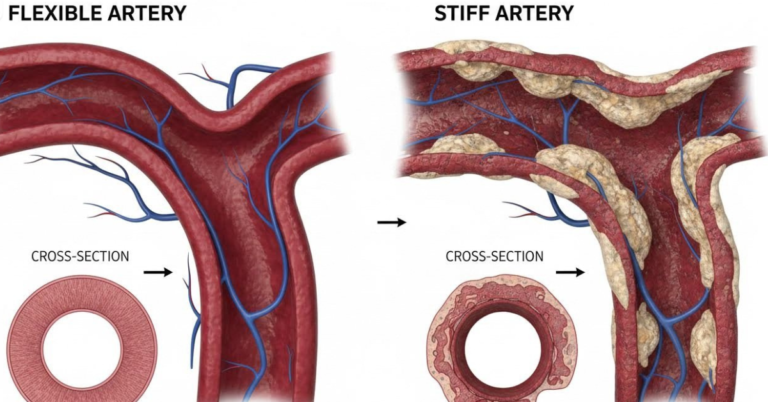
Circulation after 40 does not decline overnight. It shifts gradually, making many men unaware that vascular efficiency is changing beneath the surface.
- Arterial flexibility reduces as elastin fibers lose elasticity.
- Collagen hardens arterial walls.
- Endothelial functions diminish.
- Nitric oxide production wanes.
- Microcirculation efficiency declines.
This is why circulation after 40 becomes such an important focus for long-term health and performance. Understanding these vascular shifts helps men address the root cause rather than isolated symptoms.
The endothelium, a critical blood vessel lining, is pivotal in blood flow regulation. As it declines with age, notably after 40, it impacts the effective blood movement across the body, albeit subtly.
The Early Signs of Poor Circulation in Men Over 40

Supporting circulation after 40 requires consistency. While aging cannot be reversed, vascular efficiency can be supported through targeted lifestyle strategies.
Poor circulation manifests subtly in men over 40. Symptoms like heavy legs at night, delayed muscle recovery, cold extremities, reduced stamina, and inconsistent performance are common. While each symptom, on its own, might seem inconsequential, collectively they paint a clearer picture of reduced oxygen and nutrient delivery.
This early recognition is crucial. Tellingly, vascular efficiency might be compromised if these patterns persist.
Recognizing the Patterns
Recognizing these patterns allows men to address the root cause of their health challenges, rather than just managing isolated symptoms.
The Science Behind Vascular Aging
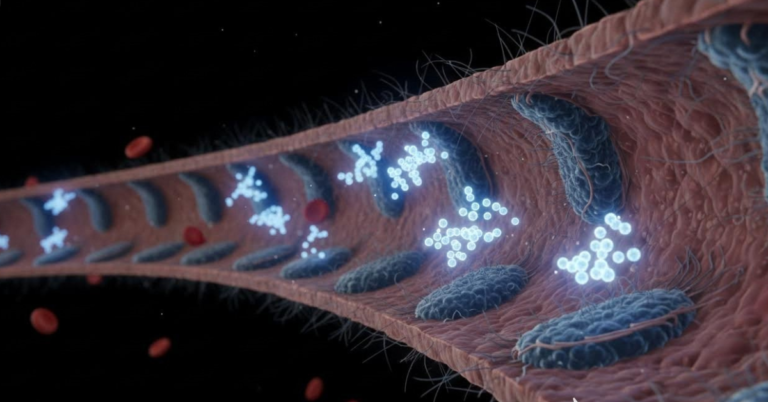
Aging impacts the vascular system through several mechanisms, altering circulation efficiency:
1. Arterial Stiffness
Over time, arteries lose their elasticity, hindering their ability to contract and expand effectively, ultimately reducing blood flow.
2. Endothelial Dysfunction
The endothelium produces nitric oxide, a critical molecule for vasodilation. Age-reduced nitric oxide production impairs vessel dilation.
3. Oxidative Stress
Oxidative stress increases with age, damaging vascular cells and accelerating decline.
4. Reduced Nitric Oxide Availability
Nitric oxide is central to maintaining healthy blood flow. Studies indicate its production diminishes with age.
This combination of factors culminates in a gradual, yet noticeable shift in circulation efficiency, impacting overall health and performance.
What Is Nitric Oxide and Why It Matters
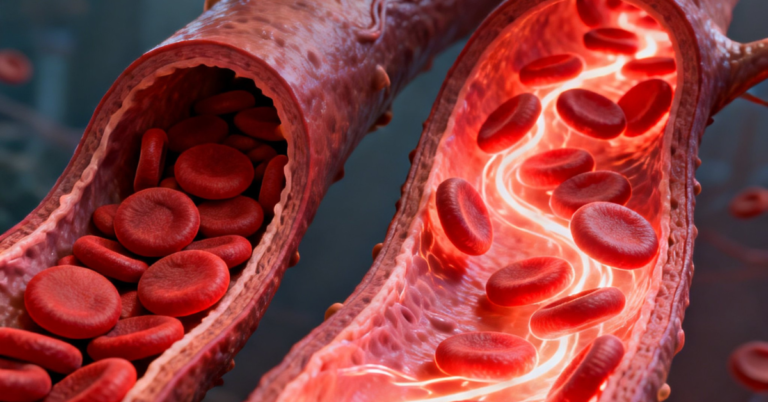
Nitric oxide is an essential signaling molecule that facilitates the relaxation and widening of blood vessels, known as vasodilation. Adequate nitric oxide levels promote:
- Improved blood flow
- Enhanced oxygen delivery
- Accelerated muscle recovery
- Sharp brain functionality
- Vascular flexibility preservation
For men over 40, the natural decline of nitric oxide production can lead to reduced circulation efficiency, affecting endurance, recovery, and performance.
How Circulation Impacts Male Performance After 40

Optimal circulation is indispensable for physical endurance, energy production, muscle repair, cognitive clarity, cardiovascular stability, and overall male performance.
If stamina is your main concern, you may also want to read about what causes low stamina after 40.
Poor blood flow can compromise each of these areas. Ensuring efficient delivery of oxygen and nutrients is crucial for sustaining performance levels beyond 40.
Can Poor Circulation Cause Low Stamina After 40?

Poor circulation may indeed contribute to lower stamina after 40. Reduced oxygen delivery due to vascular inefficiency means muscles tire faster, recovery is slower, and performance becomes inconsistent. Recognizing and addressing the underlying circulation issues is essential for sustainable improvement.
Can Circulation Be Supported Naturally?
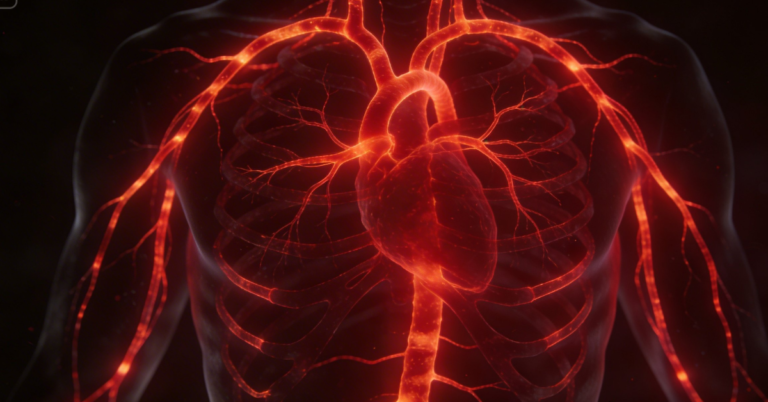
While aging is inevitable, lifestyle adjustments can support vascular health effectively. Incorporating nitrate-rich vegetables (e.g., leafy greens, beets), maintaining regular physical activity,managinhttps://www.heart.org/en/healthy-living/fitnessg weight, supporting cardiovascular health, and including amino acids such as L-arginine and L-citrulline can enhance nitric oxide production. It’s about preserving circulation efficiency, not just avoiding disease.
The Circulation Code
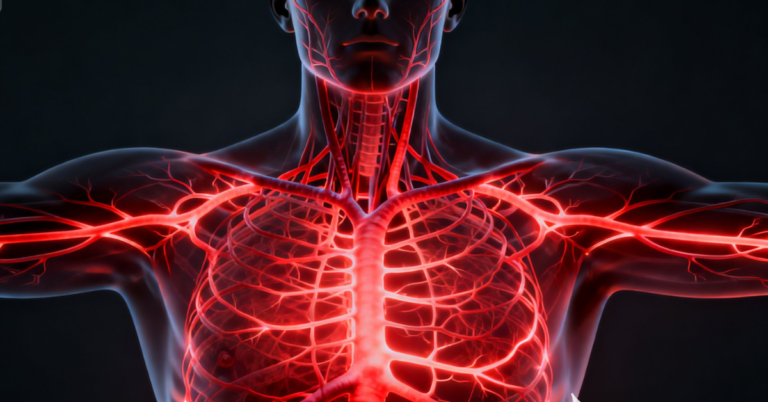
For many, isolated symptoms like fatigue and slow recovery mask the underlying root cause: reduced vascular efficiency. Understanding circulation shifts post-40 allows men to draw connections among various health challenges. Addressing blood flow ensures energy, clarity, endurance, and overall performance.
Final Thoughts
Circulation after 40 often receives little practical attention, often dismissed as mere aging. However, recognizing and understanding vascular efficiency paints a clearer picture. As blood flow changes, health and performance follow suit. Knowledge of nitric oxide, vascular dynamics, and their impact on men over 40 provides deeper insights into long-term health strategies.
FAQ – Circulation After 40
Can poor circulation cause fatigue after 40?
Yes. Poor circulation can reduce oxygen and nutrient delivery to muscles and organs. After 40, reduced vascular efficiency may lead to lower stamina, faster fatigue, and slower recovery. When blood flow declines, energy production becomes less efficient, which many men mistake for normal aging.
What are early signs of poor circulation in men over 40?
Early signs of poor circulation in men over 40 often include cold hands and feet, heavy legs at night, slower muscle recovery, reduced stamina, and subtle performance changes. These symptoms tend to develop gradually and may indicate declining blood flow efficiency.
Does nitric oxide decrease with age?
Research suggests that nitric oxide production naturally declines with age. Since nitric oxide helps blood vessels relax and expand, lower levels may contribute to reduced circulation efficiency after 40, affecting endurance and vascular health.
How can men over 40 improve circulation naturally?
Men over 40 can support circulation naturally through regular physical activity, maintaining a healthy weight, consuming nitrate-rich vegetables such as leafy greens and beets, and supporting nitric oxide production through amino acids like L-arginine and L-citrulline.
Can poor circulation affect male performance?
Yes. Healthy blood flow is essential for endurance, muscle recovery, cognitive clarity, and sexual performance. Reduced circulation efficiency may subtly impact these areas over time, particularly in men over 40.
Deixe um comentário